
Unstable voltages, tingling taps, and tripping RCDs are often caused by poor earthing. In Masvingo, we test, repair, and install proper earthing and bonding so your electrical system stays safe, stable, and compliant — whether you’re on ZETDC, solar, or generator power.
We begin by testing earth resistance and continuity between your DB, rods, and exposed metalwork. Many homes and shops in Rhodene, Mucheke, and Hillside have corroded or broken earth conductors that go unnoticed until something fails. We find and fix them properly.
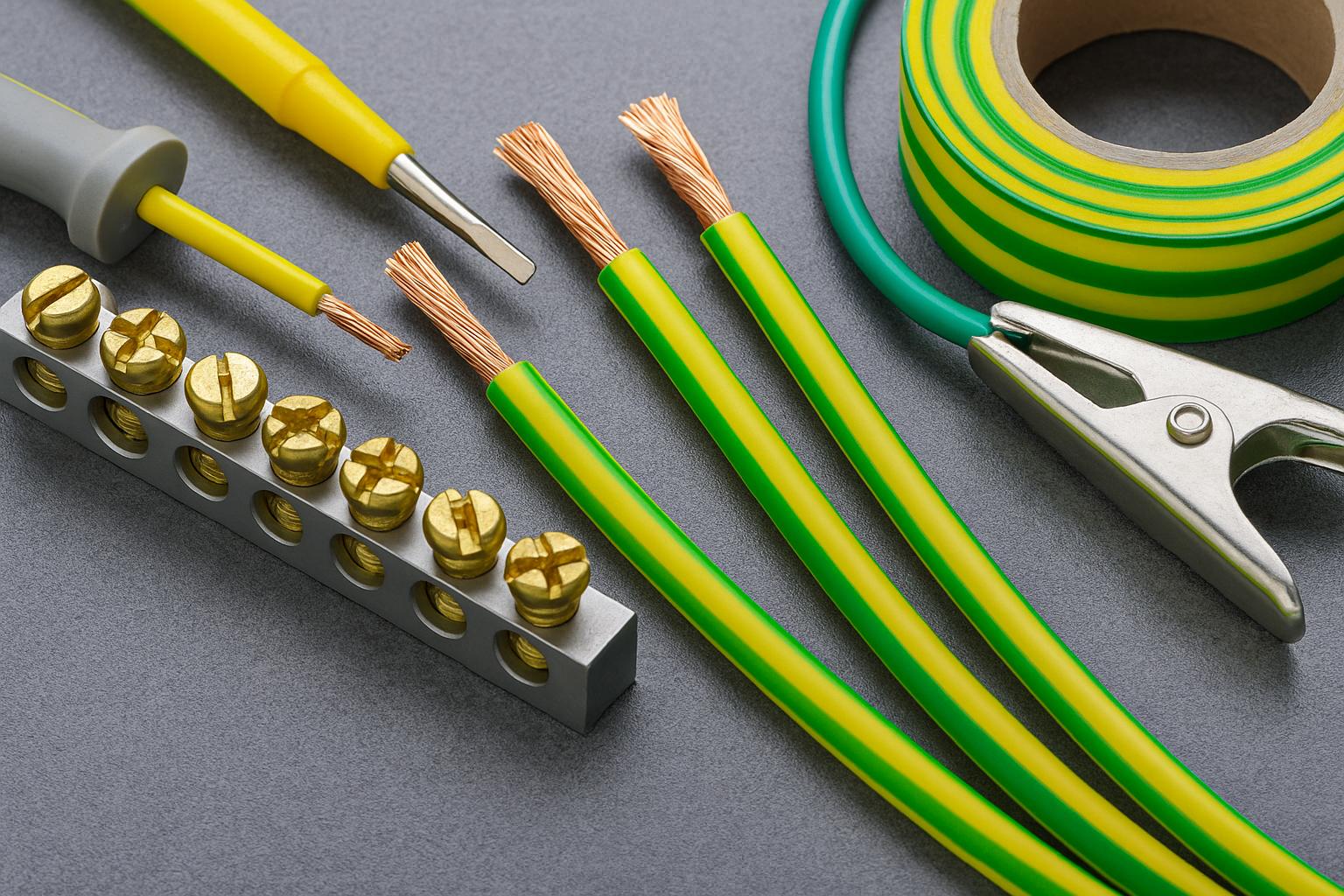
Bonding connects all metal surfaces — pipes, tanks, geysers, fences — so they share the same electrical potential. This prevents shocks and helps protection devices trip when a fault occurs. We use heavy-duty conductors, corrosion-proof rods, and test every connection.
If you use an inverter or generator, correct earthing becomes even more critical. We configure neutral-to-earth links and test RCD operation so your backup system remains safe and functional under any source.
After testing, we label the rods, record resistance readings, and advise if surge protection or additional bonding is needed. Small work that makes a huge difference in day-to-day safety.
We service CBD, Rhodene, Target Kopje, Hillside, Mucheke, Zimre Park, Runyararo, and Eastvale — protecting homes, offices, and workshops against shocks and surges.
Fix My Earthing or Bonding (Masvingo)
Tell us your suburb (e.g., Rhodene, Hillside, Mucheke, Target Kopje, CBD, Zimre Park, Runyararo, Eastvale) and a short description (e.g., “shock on taps,” “RCD tripping,” “generator earthing test”).
FAQs
Why does earthing matter so much in Masvingo?
Because soil resistance, corrosion, and grid instability make faults dangerous without proper grounding. Earthing gives stray current a safe path to ground and keeps your RCDs and surge protection working as designed.
What’s the difference between earthing and bonding?
Earthing connects your system to the ground; bonding links all exposed metalwork so it stays at the same potential. Together they prevent shocks and allow protection devices to operate correctly.
Do I need separate earthing for my inverter or generator?
Usually yes. Backup systems often need their own earth rod and neutral link so that RCDs and protections work properly under backup supply. We design and test each setup safely.
How often should earthing be tested?
Every two years, or after major electrical work. Masvingo’s varying soil and weather can corrode rods or loosen joints, especially in older areas like Mucheke and Hillside.
What are common signs of poor earthing?
Electric shocks from metal surfaces, dimming lights, frequent RCD trips, or appliances getting damaged after storms or power returns. We test resistance and continuity to confirm and fix the root cause.
Do you test and label existing rods too?
Yes. We clean, test, tag, and record readings for your reference. If the rod fails resistance standards, we replace or supplement it with a modern copper-clad version for lasting stability.
Need Your Earthing Checked?
Send your suburb and a short description (e.g., “shock on geyser in Rhodene” or “earth test for solar in Zimre Park”). We’ll reply with timing and next steps.